

Cold insulation materials are essential in applications where pipes, tanks, and equipment must maintain temperatures below ambient conditions. Unlike thermal insulation designed for high heat, cold insulation prevents heat gain, controls condensation, and minimizes energy losses in refrigeration, LNG storage, and industrial cooling systems. The choice of insulation directly influences not only thermal efficiency but also long-term durability, maintenance costs, and operational safety. Among the widely used cold insulation options, cellular glass, fiberglass, and PIR (polyisocyanurate) stand out for their unique properties and proven performance.
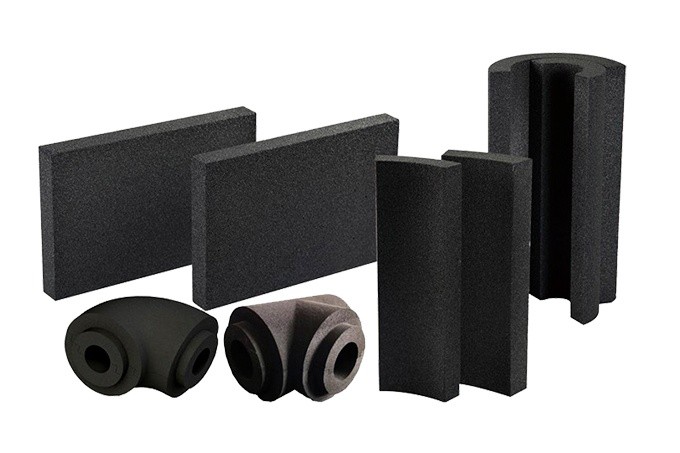
Cellular glass is an inorganic, closed-cell material made primarily from recycled glass. Its rigid structure and total impermeability to moisture make it one of the most reliable cold insulation solutions.
Key features of cellular glass include:
Zero water absorption: Completely impermeable, eliminating risk of water ingress and loss of insulation efficiency.
High compressive strength: Capable of withstanding mechanical loads, making it suitable for heavy-duty installations.
Non-combustible: Offers excellent fire resistance without releasing toxic fumes.
Dimensional stability: No shrinkage or deformation under temperature fluctuations.
Common applications:
1. LNG and cryogenic storage tanks
2. Underground pipelines exposed to groundwater
3. Facilities requiring long-term corrosion protection
Professionals often choose cellular glass when durability and moisture resistance are critical, despite its higher cost compared to other materials.
Fiberglass insulation is made from fine glass fibers bound into a lightweight, porous structure. It is one of the most versatile and cost-effective cold insulation options, especially for moderate to low-temperature applications.
Main advantages:
Excellent thermal efficiency: Its low thermal conductivity reduces energy loss.
Lightweight and flexible: Easy to handle and install around irregular shapes and small-diameter pipes.
Cost-effective solution: More affordable than cellular glass or PIR, making it attractive for large-scale projects.
Non-combustible: Adds a degree of fire safety to facilities.
Typical uses include:
? HVAC ductwork and chilled water systems
? Cold storage facilities
? Industrial cooling and refrigeration piping
Fiberglass may require protective jacketing to resist moisture absorption, but with proper installation, it delivers strong performance at an economical price.
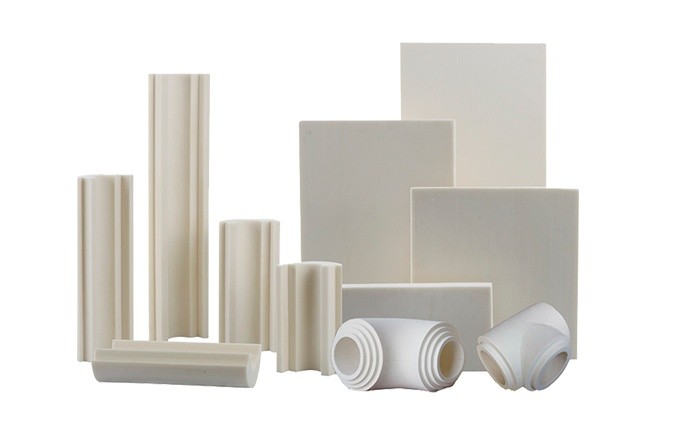
Polyisocyanurate (PIR) foam has become one of the most widely adopted cold insulation materials in industrial and commercial applications. It offers an ideal balance between performance and cost.
Key reasons PIR is popular:
1. Very low thermal conductivity: Provides excellent insulation even at low thickness.
2. Closed-cell structure: Strong resistance to water vapor and condensation.
3. Lightweight and easy to install: Reduces labor time and project costs.
4. Versatility: Available in boards, pipes, and pre-formed shapes to fit different systems.
5. Fire performance: Better fire resistance than traditional polyurethane foam.
Main applications:
? Cold storage warehouses
? Petrochemical and chemical processing plants
? Refrigerated transport systems
Its adaptability and efficiency make PIR the "go-to" choice for projects where both performance and practicality matter.
Each of these insulation materials has strengths that suit specific environments.
Comparison at a glance:
Cellular glass: Best for extreme durability, water resistance, and cryogenic use. More expensive, but unmatched in reliability.
Fiberglass: Ideal for budget-friendly projects requiring good insulation and fire safety in moderate cold applications. Requires moisture protection.
PIR: Balanced solution combining high insulation efficiency, ease of installation, and competitive cost. Preferred in many industrial and commercial setups.
Ultimately, the right choice depends on project requirements, temperature range, exposure conditions, and budget. For critical cryogenic or submerged systems, cellular glass is unmatched. For everyday cold water and HVAC use, fiberglass works well. For large-scale cold storage and chemical plants, PIR offers the most practical benefits.

Copyright ? 2025ZHEJIANG ZHENSHEN INSULATION TECHNOLOGY CORP.LTD. All rights reserved. 網(wǎng)站備案/許可證號(hào):浙ICP備16010266號(hào)-1