

Cold pipe insulation is essential for maintaining temperature stability in refrigeration and cryogenic systems. When uninsulated, cold pipes easily attract moisture from the air, leading to condensation, corrosion, and energy loss. Proper insulation prevents these issues, ensuring system reliability and extending service life. It also helps reduce operational costs by minimizing heat gain and keeping fluids at the required low temperature. In industries such as food processing, petrochemical, and HVAC, the right insulation not only saves energy but also ensures safety and consistent product quality.
Cold pipe insulation materials vary widely in structure, thermal conductivity, moisture resistance, and mechanical strength. Selecting the right one depends on factors such as operating temperature, environmental conditions, installation space, and budget. Below are five of the most commonly used materials, each offering unique advantages for cold insulation applications.
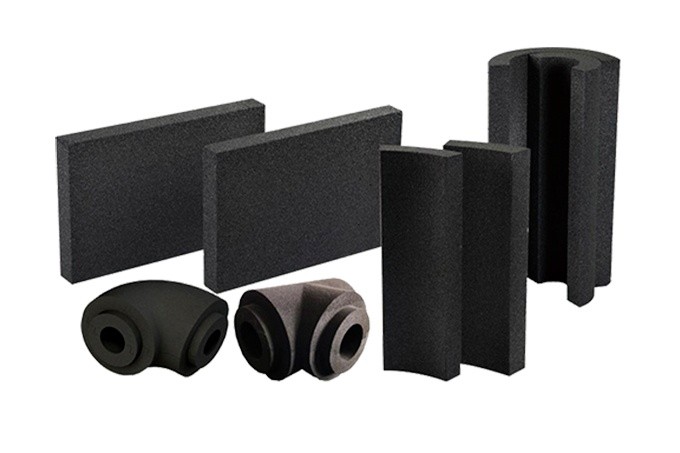
Cellular glass insulation, made from crushed glass fused into a rigid foam structure, is completely closed-cell and non-absorbent. Its main advantages lie in its absolute moisture resistance, non-combustibility, and high compressive strength. These properties make it ideal for cold and cryogenic pipelines exposed to humidity or mechanical stress.
Unlike organic foams, cellular glass does not shrink, age, or release gases over time, maintaining consistent thermal performance. It is often used in LNG plants, chemical facilities, and outdoor piping systems, where long-term dimensional stability and water resistance are critical.
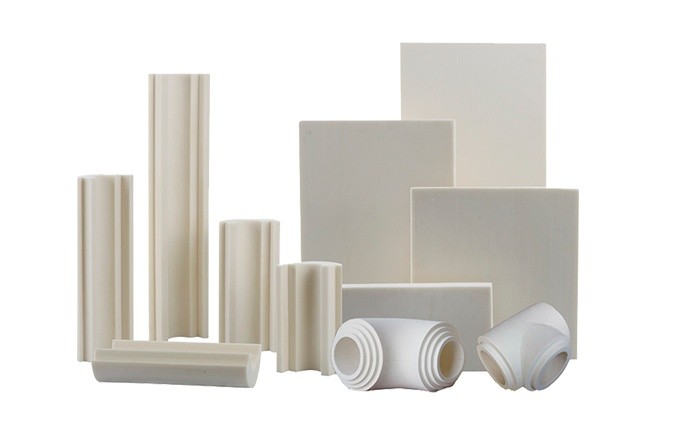
Polyisocyanurate (PIR) insulation offers superior thermal efficiency due to its low thermal conductivity (as low as 0.020 W/m·K). It is a closed-cell rigid foam that provides excellent resistance to water vapor and has better fire performance than PUR. PIR's structure allows it to withstand low temperatures without becoming brittle, making it a preferred choice for industrial refrigeration and chilled water systems.
In addition, PIR insulation is lightweight, easy to install, and compatible with vapor barriers or protective claddings. For facilities seeking a balance of energy efficiency and long-term stability, PIR is often the go-to material.
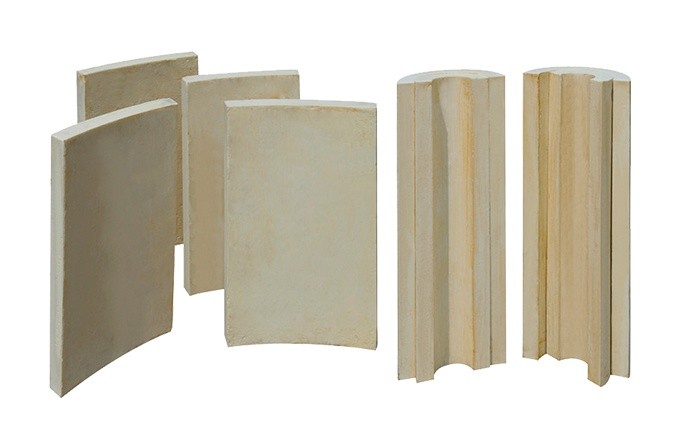
Polyurethane (PUR) insulation is widely used thanks to its cost-effectiveness and good thermal performance. It has a fine closed-cell structure that minimizes air movement, reducing heat transfer effectively. Although its fire and temperature resistance are lower than PIR, PUR remains suitable for most low to moderate cold applications, including HVAC piping, food storage systems, and cooling networks.
Its lightweight and easily moldable nature simplify on-site fabrication and installation, lowering overall labor costs. For budget-sensitive projects, PUR insulation provides a strong balance of affordability, insulation capacity, and versatility.
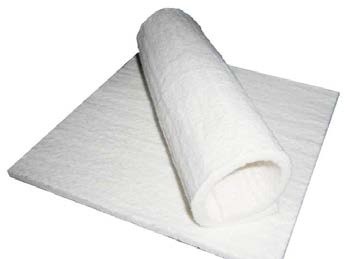
Aerogel felt is an ultra-high-performance insulation material that combines flexibility with exceptional thermal resistance. Composed of silica aerogel embedded in a fibrous mat, it features the lowest thermal conductivity among conventional materials. Aerogel can maintain outstanding insulation performance even at minimal thickness, making it perfect for confined spaces or cryogenic lines where weight and space are limited.
It is also hydrophobic yet vapor-permeable, preventing moisture buildup while allowing trapped vapor to escape. Although aerogel felt is more expensive, its superior performance and space-saving characteristics justify its use in high-end industrial or aerospace applications.
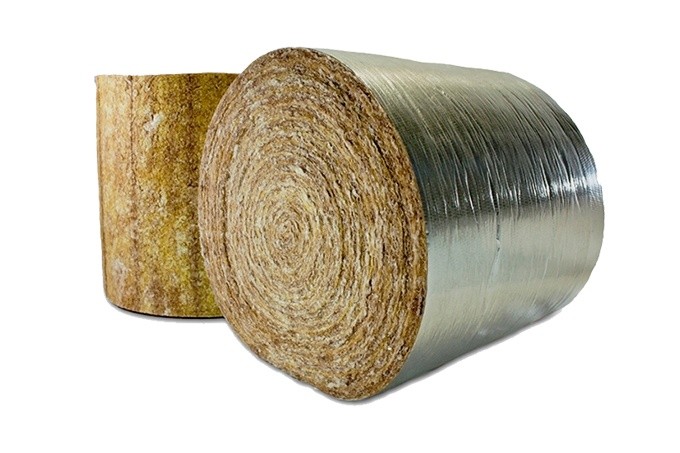
Glass fiber resilient blankets consist of fine glass filaments bonded to form a flexible, compressible layer. Their key strengths are flexibility, sound absorption, and vibration resistance. While not as thermally efficient as rigid foams, they excel as outer insulation layers or protective wraps, especially in systems requiring mechanical cushioning or acoustic control.
Glass fiber blankets are also non-combustible and dimensionally stable, making them suitable for multi-layer insulation systems, often combined with PIR or cellular glass to enhance system performance and protection against condensation.
In many industrial applications, no single material can meet all insulation needs—thus, hybrid systems are often adopted. Combining materials optimizes performance across multiple dimensions: thermal insulation, moisture control, mechanical protection, and cost efficiency.
Inner layer: Cellular glass for its moisture-proof and structural stability.
Outer layer: Aerogel felt to achieve ultra-low heat transfer and reduce energy loss.
This combination ensures both durability and minimal thermal bridging under cryogenic conditions.
Inner layer: PIR insulation for efficient thermal performance.
Outer layer: Glass fiber resilient blanket to protect against vibration and condensation.
This pairing is common in food processing plants and cold storage facilities, where equipment runs continuously in humid environments.
Single-layer: PUR insulation for its cost-effectiveness and easy installation.
Optional addition: Aluminum or PVC cladding for mechanical protection and weather resistance.
These layered systems balance thermal performance, moisture resistance, and durability, extending service life while ensuring consistent efficiency.
Cold pipe insulation is a critical component of modern refrigeration, cryogenic, and HVAC systems. From moisture resistance to energy savings, each material—cellular glass, PIR, PUR, aerogel felt, and glass fiber blanket—offers distinct advantages. Moreover, combining materials can create optimized systems that outperform single-layer setups in both longevity and performance. By understanding the strengths of each insulation type and applying them strategically, engineers can achieve maximum energy efficiency, reduced maintenance costs, and long-lasting protection for cold pipe systems.

Copyright ? 2025ZHEJIANG ZHENSHEN INSULATION TECHNOLOGY CORP.LTD. All rights reserved. 網站備案/許可證號:浙ICP備16010266號-1