

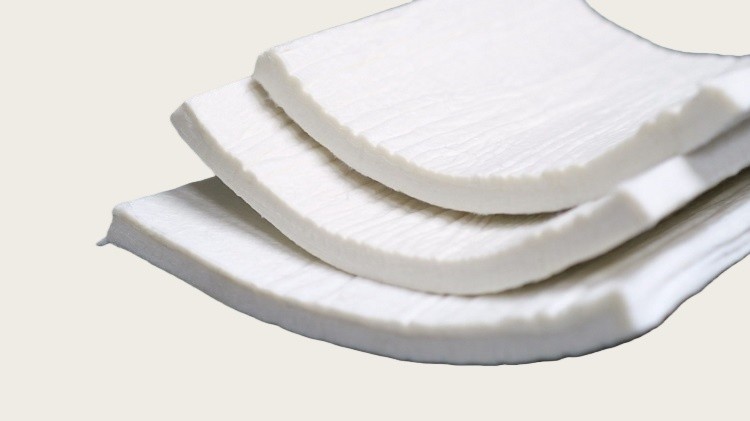
When it comes to cold storage insulation, selecting the right material is critical to ensuring energy efficiency, maintaining temperature control, and protecting the integrity of stored goods. Here are the most commonly used materials for cold storage insulation:
Polyurethane Foam: One of the most widely used materials for cold storage insulation, PU foam provides excellent thermal resistance and is known for its low thermal conductivity. It is often applied in spray form, allowing it to form an airtight, seamless layer that enhances the efficiency of temperature regulation.
Polystyrene Foam: Expanded polystyrene (EPS) and extruded polystyrene (XPS) are both cost-effective options for insulation. EPS is often used in cold storage rooms, while XPS offers better moisture resistance, making it ideal for more humid environments.
Mineral Wool (Glass Wool): Mineral wool is known for its excellent fire-resistant properties and sound absorption capabilities. It is a durable and effective material for insulating cold storage areas, particularly in locations where fire safety is a top concern.
Polyisocyanurate (PIR) Foam: PIR foam provides higher thermal resistance than polyurethane and is often used for applications requiring superior insulation, including cold storage. It also offers better fire performance compared to PU foam.
Reflective Insulation: This type of insulation reflects radiant heat away from the storage area. Often used in combination with other materials, reflective insulation is effective in preventing heat gain, especially when applied to the exterior of the cold storage structure.
Each of these materials has unique benefits, so the choice will depend on specific factors like cost, environmental conditions, and insulation needs.
When evaluating cold storage insulation materials, it's essential to consider the following properties:
Thermal Conductivity: This is a measure of how well a material can conduct heat. Lower thermal conductivity indicates better insulation performance. Materials like polyurethane foam and polyisocyanurate offer superior thermal resistance, ensuring that the temperature inside the cold storage unit is maintained more effectively.
Moisture Resistance: Cold storage environments often have high humidity, so moisture resistance is crucial. Materials such as XPS and PIR foam have excellent moisture resistance, reducing the risk of mold growth and deterioration over time.
Fire Resistance: Fire safety is an important consideration, especially in food storage. Mineral wool offers exceptional fire resistance, which can provide peace of mind when insulating critical areas.
Sound Insulation: If noise reduction is a priority, materials like mineral wool are ideal. They help absorb sound and create a quieter storage environment, which can be beneficial in larger facilities.
Durability: Insulation materials need to withstand constant temperature fluctuations and moisture exposure. Polyurethane foam and XPS are highly durable, providing long-term insulation performance without degradation.
The thickness of insulation plays a crucial role in the effectiveness of cold storage. It determines how well the building can maintain internal temperatures and reduce energy consumption.
The ideal insulation thickness depends on several factors:
Temperature Requirements: The lower the storage temperature, the thicker the insulation should be. For instance, a deep freezer will require thicker insulation than a chilled storage room.
Energy Efficiency Goals: Thicker insulation provides better resistance to heat transfer, which can lower energy costs in the long run. For energy-efficient cold storage, aiming for at least 4-6 inches of insulation is recommended, but thicker layers may be necessary for extremely low temperatures.
Building Regulations and Standards: Local building codes often specify minimum insulation thickness for cold storage units. Always consult these guidelines to ensure compliance and optimize thermal performance.
In general, insulation thickness is determined by balancing performance, cost, and the required temperature range. Thicker insulation materials reduce heat exchange and improve energy efficiency but may come at a higher initial cost.
Selecting the right insulation for your cold storage facility involves several considerations:
Climate and Environmental Conditions: The external temperature and humidity will influence the type of insulation material needed. For example, cold storage in coastal areas with high humidity levels may benefit from moisture-resistant materials like XPS or reflective insulation.
Energy Efficiency: The choice of insulation can significantly impact the long-term energy costs of your cold storage. High-quality materials with lower thermal conductivity help maintain internal temperatures while reducing the energy required to keep the system running.
Fire Safety: Depending on the type of goods stored, fire resistance might be a critical factor. Materials such as mineral wool provide enhanced fire resistance, making them ideal for sensitive items.
Budget and Cost-Effectiveness: While higher-performance materials like PIR foam or polyurethane may have a higher upfront cost, their long-term savings in energy efficiency can make them more cost-effective over time. Be sure to assess both initial costs and long-term savings.
Maintenance and Longevity: Insulation materials should be easy to maintain and durable enough to withstand the constant temperature shifts and moisture present in cold storage environments. Materials like polyurethane and mineral wool are known for their longevity.
Ease of Installation: Some insulation materials, such as spray foam, offer easy installation with minimal disruption to operations. Others, like rigid boards, may require more labor-intensive installation.
Choosing the right material involves evaluating the unique needs of your facility and balancing factors like performance, cost, and compliance.
Cold storage insulation is crucial for maintaining temperature control, reducing energy consumption, and protecting the quality of stored goods. The right material can help achieve optimal insulation performance, prevent energy loss, and ensure the safety of stored products. When selecting insulation, consider factors such as thermal conductivity, moisture resistance, fire safety, and installation requirements to make an informed decision. Whether you're insulating a small cold room or a large warehouse, understanding these aspects will help you choose the most effective insulation for your needs.

Copyright ? 2025ZHEJIANG ZHENSHEN INSULATION TECHNOLOGY CORP.LTD. All rights reserved. 網(wǎng)站備案/許可證號:浙ICP備16010266號-1